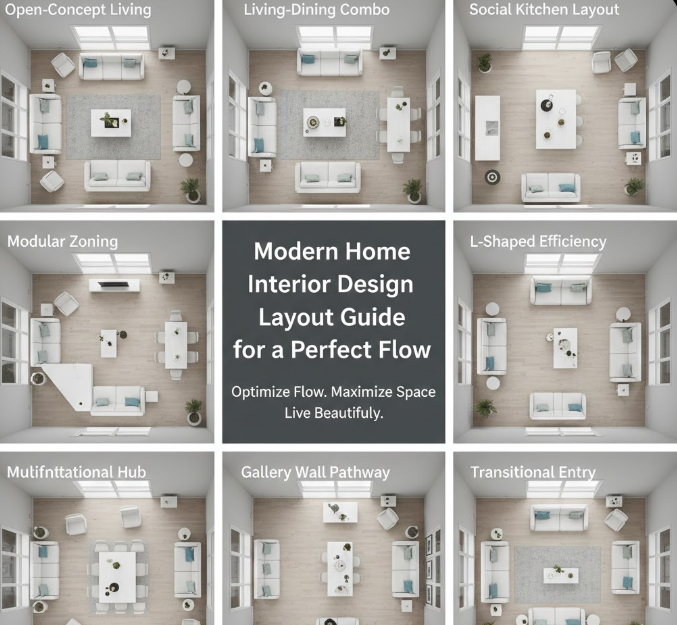
Introduction: Why Your Home Layout Changes Everything
Good modern home interior design is not just about picking the right sofa or painting the walls a trendy color. It is about how your space feels when you walk through it. Does it feel open and easy to move through? Or does it feel cluttered and tight?
The layout of your home controls the flow. Flow means how naturally and comfortably you move from one room to another. A great layout makes life easier, calmer, and even more productive. A bad layout, on the other hand, creates stress without you even knowing it.
In this guide, you will learn exactly how to plan your home layout for perfect flow. Whether you are designing a new home, remodeling a room, or simply rearranging furniture, this guide has everything you need. Let’s get into it.
What “Flow” Actually Means in Home Design
Before jumping into tips, let us break down what “flow” really means.
Flow in interior design refers to how smoothly people and energy move through a space. Think of water moving through a river. When the river is clear and wide, water flows beautifully. When it is blocked by rocks and debris, it becomes choppy and messy.
Your home works the same way.
Good flow means:
- You can walk from room to room without bumping into furniture
- Each room feels connected to the next without feeling identical
- Natural light moves through the space freely
- The visual style stays consistent throughout the home
Poor flow means tight hallways, furniture placed in awkward spots, rooms that feel disconnected, or layouts that force people to take long detours just to get from the kitchen to the living room.
The Core Principles of Modern Home Interior Design
Modern interior design is built on a few key ideas. These principles help guide every decision you make — from where to place your couch to what color to paint your walls.
Keep It Simple, But Not Boring
Modern design loves clean lines and clutter-free spaces. But simple does not mean dull. Think of a white room with one bold piece of art. That one statement makes the whole space come alive.
Remove anything you do not use or love. The less visual noise in a room, the more restful and elegant it feels.
Function Always Comes First
Every piece of furniture and every design choice should serve a purpose. A beautiful bookshelf that blocks natural light is not a smart design choice. Always ask: does this help or hurt the way I live in this space?
Use Space Intentionally
Modern home interior design is smart about space. It uses every square foot on purpose. An empty corner might become a cozy reading nook. A narrow hallway can hold a slim console table and a mirror to make it feel bigger.
Room-by-Room Layout Guide for Perfect Flow
Now let us go room by room. Each space in your home has its own rules for layout and flow.
Living Room Layout: The Heart of the Home
The living room is where most families spend the majority of their time together. Getting this layout right is crucial.
Start with a focal point. Every great living room has one. It might be a fireplace, a large window with a view, or a statement wall with a TV or artwork. Once you find your focal point, arrange all your furniture to face or connect to it.
Create conversation zones. Place seating in a way that makes it easy for people to talk to each other. Avoid pushing all furniture against the walls. Instead, bring pieces closer together to create intimacy.
Leave clear pathways. Always leave at least 18 to 24 inches of walkway between furniture pieces. This keeps movement easy and prevents the room from feeling cramped.
Use rugs to anchor the space. A rug that is too small makes furniture float awkwardly. Choose a rug large enough so that at least the front legs of all seating sit on it.
| Common Living Room Layout Mistake | Better Solution |
|---|---|
| All furniture pushed against walls | Float furniture toward the center |
| Rug too small for the seating area | Use an 8×10 or larger rug |
| No clear walkway through the room | Keep 18–24 inch clearance paths |
| Only one source of light | Layer lighting: overhead, floor, and table lamps |
| TV mounted too high | Mount screen at eye level when seated |
Kitchen Layout: Efficiency Meets Style
The kitchen is one of the most important rooms to get right. A poorly laid-out kitchen makes cooking frustrating and slows down daily life.
The Work Triangle Rule. The classic kitchen design principle is the work triangle — the three points being the sink, stove, and refrigerator. When these three are placed in a triangle formation, your movement while cooking becomes fast and efficient.
Island or No Island? Kitchen islands are popular in modern home interior design. They add counter space, storage, and a casual seating area. However, only add an island if you have enough space to walk around it freely — at least 42 inches on all sides.
Storage is style. Modern kitchens hide clutter. Use deep drawers instead of lower cabinets. Add pull-out pantry shelves. Keep countertops mostly clear. A clutter-free kitchen looks bigger and cleaner instantly.
Bedroom Layout: Rest, Relax, Recharge
Your bedroom should feel like a retreat. The layout should make you feel calm the moment you walk in.
The bed is the anchor. In almost every bedroom, the bed should be the centerpiece. Place it on the wall that faces the door, but not directly in line with the door. This gives you a sense of security while sleeping — you can see the door without being directly exposed to it.
Nightstands on both sides. Even if only one person sleeps in the room, nightstands on both sides of the bed create balance and visual symmetry. This is a simple trick that makes bedrooms look professionally designed.
Dresser placement matters. Place dressers opposite the bed or along a side wall. Avoid placing large furniture between the bed and the door, as this blocks your path and disrupts flow.
Natural light and privacy. Position your bed away from direct window glare. Use blackout curtains or layered window treatments for privacy and better sleep.
Home Office Layout: Designed for Deep Focus
Remote work is here to stay. A well-designed home office helps you stay focused and productive without feeling like you are trapped in a box.
Face the door, not the wall. Sitting with your back to the door creates subconscious anxiety. If possible, position your desk so you face the door or at least see it from the corner of your eye.
Natural light on your side. Place your desk near a window for natural light, but position it to the side — not directly in front of or behind you. Light from the side reduces screen glare and eye strain.
Keep distractions out. Do not put a TV in your home office. Keep the space clean and dedicated to work only. This trains your brain to switch into focus mode the moment you enter.
Bathroom Layout: Small Space, Big Impact
Bathrooms are often the smallest rooms in the home, but they can feel luxurious with the right design.
The three zones. Think of your bathroom in three zones: the sink/vanity zone, the toilet zone, and the shower/bath zone. Good layout keeps these zones distinct and gives each enough room to function well.
Mirrors make magic. A large mirror above the vanity doubles the visual size of the bathroom. It also reflects light and makes the space feel brighter and airier.
Smart storage. Use vertical space in small bathrooms. Install shelves above the toilet. Use recessed niches in the shower for shampoo and soap instead of a hanging caddy.
Choosing the Right Color Palette for Flow
Color is one of the most powerful tools in modern home interior design. The right palette ties your whole home together and creates seamless flow from room to room.
Use a Three-Color Rule
Pick three main colors for your entire home:
- Base color — used on walls, largest furniture pieces (usually neutral: white, beige, grey)
- Secondary color — used on accent walls, rugs, curtains
- Pop color — used sparingly in throw pillows, art, decorative objects
When you carry these same three colors throughout your home in different proportions, every room feels connected even when the styles vary slightly.
Light Colors Open Up Space
Lighter walls reflect more light and make rooms feel bigger. This is especially important in smaller homes or apartments. If you love bold colors, save them for one accent wall or for smaller rooms like powder bathrooms.
Dark Tones Add Drama and Depth
Dark walls in a bedroom or home library create a cozy, intimate atmosphere. Modern design is not afraid of bold, moody colors when used with intention. Just make sure to balance dark walls with plenty of light — natural or artificial.
Lighting Layout: The Secret Ingredient
Most people treat lighting as an afterthought. But in modern home interior design, lighting is just as important as the furniture itself.
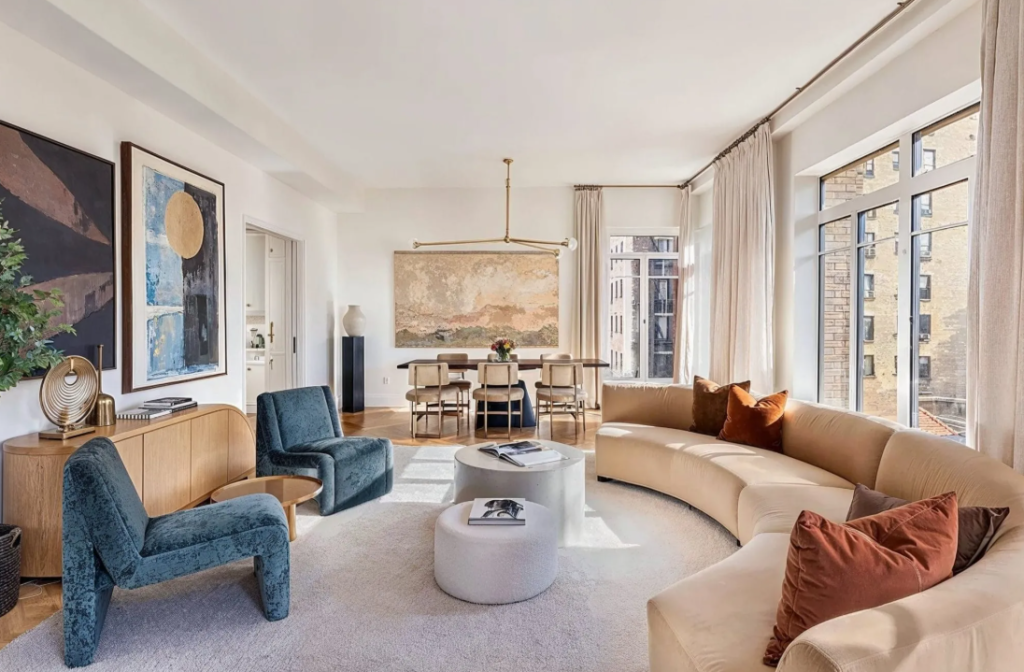
Layer Your Lighting
Great rooms use three types of lighting together:
| Lighting Type | Purpose | Examples |
|---|---|---|
| Ambient Lighting | General illumination for the whole room | Ceiling fixtures, recessed lights |
| Task Lighting | Focused light for specific activities | Desk lamps, under-cabinet kitchen lights |
| Accent Lighting | Decorative, highlights features | Wall sconces, LED strip lights |
Natural Light is Free — Use It
Pull back heavy curtains. Clean your windows. Use sheer drapes that let sunlight in while still providing some privacy. Natural light makes every room feel more alive and cuts down on your energy bill.
Dimmer Switches Change Everything
Install dimmer switches in living rooms, bedrooms, and dining rooms. The ability to lower the lights instantly shifts the mood from energetic to relaxed. It is one of the cheapest upgrades with the biggest impact.
Smart Furniture Choices for Modern Layouts
The furniture you choose and how you arrange it determines the flow of your entire home.
Pick the Right Scale
Oversized furniture in a small room kills the flow immediately. Always measure your room before buying furniture. A sofa that is 20 inches too wide can make a living room feel like a storage unit.
Multi-Functional Pieces Are Game Changers
Modern home interior design loves furniture that does more than one job. Consider:
- A storage ottoman that doubles as a coffee table
- A sofa bed for guest rooms
- A dining table that extends for parties
- A bed with built-in drawers for extra storage
Leave Breathing Room
Do not fill every inch of your home with furniture. Empty space is not wasted space — it is breathing room. It gives your eyes a place to rest and makes the room feel elegant rather than crowded.
Open Floor Plans: Pros, Cons, and How to Make Them Work
Open floor plans are a defining feature of modern interior home design. Removing walls between the kitchen, dining area, and living room creates a spacious, airy feeling.
The Benefits
- More natural light throughout the space
- Easier to entertain guests
- Better family connection — you can cook while watching the kids
- The home feels larger than it is
The Challenges
- Noise travels more easily
- Harder to define separate areas
- Cooking smells spread to other zones
- Less privacy
How to Define Zones in an Open Plan
Use these tools to create visual separation without walls:
Area rugs — A large rug under the living room seating defines that zone clearly.
Lighting — Different light fixtures over each zone (a pendant light over the dining table, recessed lights in the living room) signal that these are separate areas.
Furniture arrangement — The back of a sofa facing the kitchen acts as a soft boundary between living and cooking zones.
Color shifts — Slightly different paint colors or materials on the kitchen island versus the living room wall create gentle visual distinction.
For more inspiration on designing cohesive open-plan spaces, visit Inspirations for Interiors — a great resource full of real design ideas and room makeovers.
The Role of Texture and Materials in Flow
Color and furniture are not the only design tools. Texture adds richness and depth that makes rooms feel complete.
Mix Textures Intentionally
In modern home interior design, mixing textures creates warmth. Pair smooth surfaces (marble, glass, polished metal) with soft ones (linen, velvet, wood grain). This contrast keeps the eye interested without adding visual clutter.
Consistent Materials Build Cohesion
When you use the same material — like natural wood — in multiple rooms (wooden floors, wooden dining table, wooden shelving), it creates a visual thread that connects the home. This is one of the simplest ways to build design flow throughout your entire space.
According to Architectural Digest, the best-designed homes use no more than three to four primary materials repeated throughout the space to maintain visual harmony.
Common Modern Interior Design Mistakes to Avoid
Even experienced decorators make these errors. Knowing them in advance saves you time and money.
Ignoring scale — Buying furniture without measuring leads to pieces that are either too big or too small for the room.
Too many focal points — When everything is a statement piece, nothing stands out. Pick one star per room.
Skipping the planning phase — Jumping straight to buying furniture without a layout plan almost always leads to regret.
Neglecting hallways and entryways — These transitional spaces set the tone for your entire home. Treat them with care.
Over-accessorizing — Too many decorative objects create visual clutter. Stick to a few meaningful, well-placed items.
Quick Layout Planning Checklist
Before you start rearranging or shopping, use this simple checklist:
| Task | Done? |
|---|---|
| Measure every room and doorway | ☐ |
| Identify the focal point of each room | ☐ |
| Decide on a three-color palette for the home | ☐ |
| Choose furniture that fits the scale of the room | ☐ |
| Plan at least 18–24 inch walkways throughout | ☐ |
| Layer three types of lighting in main rooms | ☐ |
| Select 2–3 textures to use throughout the home | ☐ |
| Pick multi-functional furniture where possible | ☐ |
FAQs About Modern Home Interior Design
Q: What is the most important element of modern home interior design?
A: Function comes first. A beautifully designed room that does not work well in daily life is not truly well-designed. Every choice — furniture, color, lighting — should support how you actually live in the space.
Q: How do I make a small home feel bigger with modern design?
A: Use light colors on walls, add large mirrors, choose furniture with legs (which shows more floor and creates airiness), and keep clutter to a minimum. Consistent flooring throughout the home also makes it feel more spacious.
Q: How many colors should I use in my home’s interior design?
A: Stick to three main colors used throughout the home in varying proportions. This keeps the design cohesive and prevents rooms from feeling disconnected.
Q: Can I mix different styles in modern home interior design?
A: Absolutely. Modern design often blends styles — like pairing industrial metal accents with warm wood tones or combining Scandinavian minimalism with bohemian textures. The key is staying consistent with your color palette and materials.
Q: What is the best layout for a small living room?
A: Float furniture away from the walls and toward the center. Use a large enough rug to anchor the seating. Pick a single focal point and arrange everything around it. Use light, neutral tones and add a mirror to expand the visual space.
Q: How do I create flow between rooms without remodeling?
A: Use consistent colors, materials, and design elements throughout the home. Even simple things like matching light switch covers, consistent flooring, or repeated use of one accent color can create a sense of connection between rooms.
Q: Is open floor plan still popular in modern interior design?
A: Yes, open floor plans remain a cornerstone of modern home interior design. They promote light, connection, and spaciousness. The trend now is toward “flexible open plans” — open layouts that can be partially sectioned off with sliding panels or curtains when privacy is needed.
Conclusion: Design Your Home for the Life You Want
Great modern home interior design is not about following strict rules or spending a fortune. It is about being intentional. It is about understanding how people move through space, how light travels through rooms, and how color and texture affect the way you feel.
When you plan your layout with flow in mind, every room in your home becomes easier to live in. You feel calmer, more organized, and more at ease. And that is the whole point of design — to make your life better.
Start small if you need to. Rearrange your living room furniture this weekend. Add a layer of lighting to your bedroom. Choose a consistent color palette for two connecting rooms. Each small change builds toward a home that truly feels like yours.
The perfect home is not about perfection. It is about creating a space where you and your family can live, laugh, and feel completely at home.